As a legal intern in 2012, Kojo Koram was sent to visit clients in Angola – not the country, but the largest maximum-security prison in the United States, located in Louisiana and named after the plantation previously on the site. One hundred and fifty years after the abolition of slavery, Koram found Black men – many there for drug-related offenses – working in fields, surveilled by guards on horseback.
This chilling encounter sets the scene and themes of this groundbreaking study of the rapidly changing world of drugs: the profound injustices of a century of prohibition and their embeddedness in histories of racism, capitalism and imperialism.
According to the United Nations, “these things we call drugs” are “chemical substances that affect the normal functioning of the body or brain” (p.7). The Next Fix focuses on four sets of these: opioids, cocaine, cannabis and psychedelics. The book takes us on a transnational tour – from the United Kingdom to the United States, from Colombia to Australia and Ghana. Along the way, Koram, a law professor, deftly translates the legal status of different drugs in different places into accessible, enjoyable prose.
Koram is a great storyteller; each chapter presents key characters whose tales are blended with archival stories, from the 19th-century Opium Wars to the 1920s American experimentation with alcohol prohibition. The book’s title cleverly plays on the multiple meanings of “fix”: injecting; cheating; repairing; and geographer David Harvey’s term for capitalism’s “gluttonous addiction to drawing in more and more resources” (p.15).
The first character in the book who sets out to fix our broken relationship to drugs will be familiar to readers of TalkingDrugs. During the Covid pandemic, Peter Krykant opened an illegal Overdose Prevention Centre in his van in Glasgow, Scotland – the country with the highest drug-related death rate in Europe. As a person who previously used heroin, Krykant knew firsthand that people who use opioids need a safe place to inject. He was arrested, but became an international harm-reduction hero. In a painful testament to the high costs of fighting for humane drug policy, Krykant died before The Next Fix went to print. But he lived to see his van inspire the opening of Glasgow’s first official drug consumption room, the Thistle, in early 2025.
It’s fitting that the book opens with opioids. Opium was the first drug targeted by an international treaty against the drug trade in 1912. The 20th-century story of opioids is entwined with the rise of “addiction” theory; today, “opioids remain the ultimate rebuttal to anyone who advocates for reforming our approach to drugs” (p.25). Yet because people who use opioids are at highest risk from unregulated supplies, the drug is a priority for legal regulation.
While harm reduction in the Global North often focuses on the risks of unsafe supplies, Global South campaigners face additional danger: the mass violence of the War on Drugs. Chapter 2 takes us to the heart of the international cocaine trade: Colombia. This is no voyeuristic Narcos-style exposé of traffickers. Koram introduces us to people seeking justice for communities decimated by cartel violence and anti-drug laws. Drawing on the South African Truth and Reconciliation Commission, he explains why countries like Colombia need “transitional justice”. This is especially true for women, who bear a large burden in Latin America’s drug wars; in parts of the region over 50% of women in prison are there on drug-related charges.
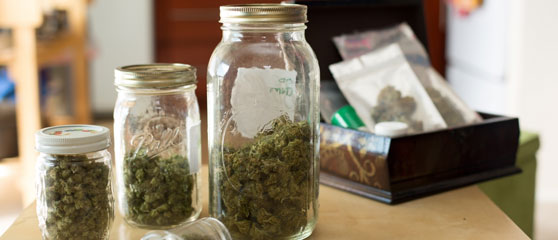
Chapters 3, 4, 6 and 7 focus on cannabis, a drug that highlights the tensions between two parallel developments over the past century: the prohibition of some substances alongside the development of a sprawling pharmaceutical industry profiting from the mass sale of others. Chapter 3 moves from transitional to economic justice. In 1911, Massachusetts was the first US state to prohibit cannabis. A hundred years later it was the first to legalise the drug while prioritising social equity: “policies that try to repair some of the harms of the War on Drugs and ensure that the people who suffered during that era […] are at the front of this new [cannabis] industry” (p. 93).
Chapter 6 challenges the belief that drugs cause crime by highlighting how criminalisation creates criminality, especially in migrant and Black communities. Chicago’s 2019 Cannabis Regulation and Tax Act aimed to repair this damage by expunging the criminal records of people with cannabis convictions, giving them a financial stake in the legal cannabis market. But too often opportunistic actors such as lawyers and insurers seek to exploit these new businesses, taking advantage of people’s limited experience. The Chicago experiment underscores a theme running through the book: it’s hard to imagine a world beyond prohibition without a world beyond capitalism.
Chapter 7 brings economic and social justice together from the perspective of a continent too often marginalised in drug policy debates: Africa. Koram travels to Ghana to meet Maria-Goretti Ane, a lawyer advocating for Ghana’s poorest cannabis farmers, criminalised for growing cannabis in order to feed their families. Their incomes are further threatened by rapacious international companies keen to extract the country’s cannabis – a scenario reminiscent of the historical extraction of cocoa, gold and oil.
The global cannabis trade is driven in large part by the rising demand for medicinal cannabis. Chapter 4 follows the struggle of Hannah Deacon, the English mother of a boy with a rare form of potentially fatal epilepsy. After multiple misdiagnoses and a doctor threatening to call social services because she demanded drugs for her sick child, Hannah finally accessed medical-grade CBD in the Netherlands. In 2018, UK law changed to allow doctors to prescribe medicinal cannabis. But the drug remained prohibitively expensive; cannabis can cost an epilepsy patient up to £18,000/year. A plant whose cultivation and use dates back thousands of years is now being patented and subject to intellectual property law.
Meanwhile, another set of drugs is being trialled as a solution to trauma. Chapter 5 dissects the promises of the “Psychedelic Renaissance”. With growing scientific evidence that LSD (acid), psilocybin (magic mushrooms) and MDMA (ecstasy) can treat PTSD and depression, private equity firms are investing billions in biotech companies. Drugs once associated with the counterculture and rave scene are now championed by tech bros and billionaires (Elon Musk is a big fan) who microdose to “enhance performance, improve mental health and sharpen productivity” (p.138).
In 2023, Australia became the first country to legalise MDMA therapy. But, again, access is constrained by cost. Moreover, Koram wonders if there’s “a danger that in trumpeting psychedelics as the new mental health ‘miracle drug’ we are again asking pharmacology to fix the symptoms of a societal problem so that we don’t have to fix the society?” He reminds us that in Indigenous communities where psychedelics have been used for centuries, substances are not “owned” by individuals. They are typically used collectively, under the guidance of elders.
This is an ambitious book that blends academic rigour with activist passion. As the future of drugs is being written, Koram insists, “[i]t is important for economic justice groups, environmental justice groups and racial justice groups to get involved with shaping this space now”. To this list, I would add feminist, LGBTQI+ and disability rights groups.
Koram concludes with a list of five key takeaways, a blueprint for lawmakers and activists. I won’t give them away. This is a book that deserves to be read.