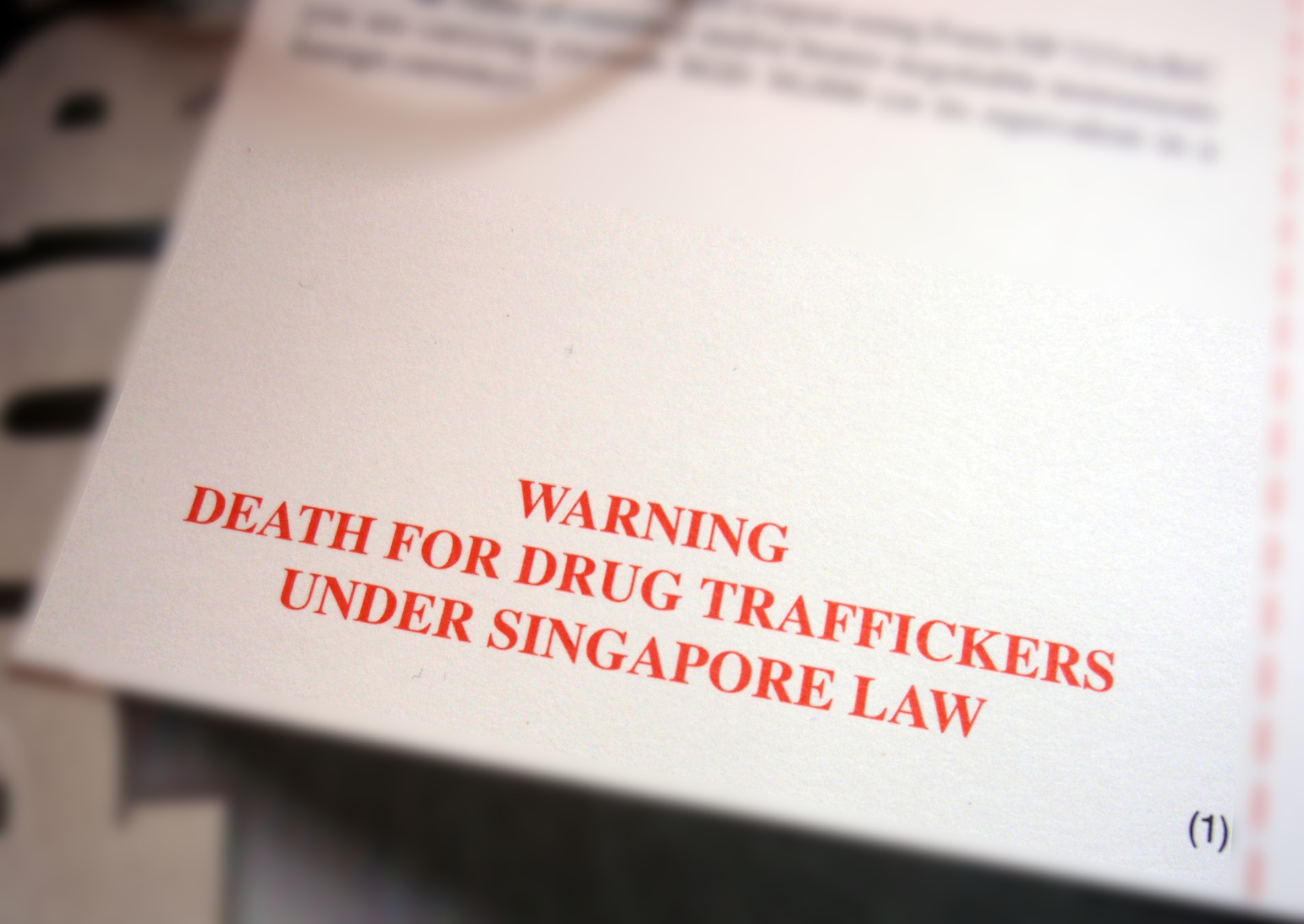
Buried within the recesses of 100 articles about drugs from leading Urdu news outlets in Pakistan is a unique specimen: a solitary piece that speaks of drug use as a health issue, framed in concern and compassion. The other 99? A relentless mix of seizures and busts, briefs on crimes, and celebrity scandals.
An analysis of 100 articles published in 2025 from Pakistan’s two leading online Urdu language news outlets, Jang and Express, reveals that Urdu media covers illicit drugs as issues of social decay, entertainment industry gossip and militaristic triumph. What is glaringly missing is the reality that for over 6 million people across Pakistan, drug use is a public health crisis in need of urgent treatment.
Whereas English is the medium of policy and international reporting, Urdu is the primary entrance into the public imagination. In the briefs, reports and columns of the online repositories of Jang and Express, a social reality of substances and the spaces they occupy in Pakistani societies is constructed. And as the analysis that follows illustrates, that reality erases the voice of those most affected.
Whose voice is platformed?
Of the 100 articles studied, some voices of authority dominate while others are marginalised. Nearly one in five articles, or 18%, cited ministries and other governmental agencies. For Express, the most often cited authority was the Anti-Narcotics Force (ANF), a paramilitary organisation that oversees drug control, anti-trafficking, and law enforcement operations.
The ANF and police appeared in 15% of articles from each outlet. Collectively, law enforcement voices including the ANF, police, foreign forces, airport security, navy, coast guard, and customs dominated coverage, appearing in nearly half (46%) of the article. This focus on law enforcement narratives reinforced a punitive and criminalisation approach towards drugs.
Other voices included the general public (9%), celebrities (6%), rescue teams (4%), religious scholars (3%), and courts (8%). Only 3% of articles, 2 in Jang and 1 in Express, cited health experts, reflecting a failure of the media to frame drug use in public health terms. Not a single article featured any voices of drug users themselves.
What is spoken about?
Of the 100 articles analysed, 50% (29% Jang, 21% Express) used only generic terms such as ‘drugs’, ‘narcotics’ or ‘intoxication’ with no specification of substances, just an undifferentiated threat. Only 26% of articles mentioned a single substance, and here specific drugs were named, a clear pattern emerged. Of these, 15 mentioned alcohol, primarily in the context of celebrity scandals, religious condemnation or moral-panic focused opinion pieces. (Note: While alcohol is not banned in Pakistan for license-possessing foreigners and non-Muslims, it is included in this analysis because alcohol use is often framed in the same stigmatising language as illicit drugs.)
The most commonly mentioned drug by far was ice, or crystal methamphetamine, which was mentioned in 24% of the articles, many of which were related to drug busts. Heroin (16%), hashish (15%), opium (13%), cannabis (11%) followed, primarily in multi-substance seizure and enforcement reports. This is unsurprising given drug use trends in the country. While the results of the last major national drug survey are not published as of yet, a UNODC report from 2020 identifies Pakistan as a country with a clear upward trend of methamphetamine use. Health professionals also warn of such a trend, with rehabilitation centers in the province of KPK reporting 85% of people seeking treatment to be using ice.
Articles detailing multi-substance mentions reflect enforcement approaches. As busts and raids are celebrated, multiple reports are conflated into one article detailing achievements of law enforcement personnel. This is particularly visible in Express, where one single article mentions separate raids of ice, heroin, and hashish in a single breath. Such coverage speaks to traffickers carrying multiple substances while their distinction holds little significance. Instead, the quantity and value, often in millions of dollars, is emphasised in the headlines.
How is it framed?
Collapsing distinct substance categories into an all-encompassing ‘narcotics’ category posits them as threats to be taken care of, primarily for their street value, and rarely for the health requirements of their users.
Most articles (58%) framed drugs through seizures, arrests and law enforcement success. Fewer articles position drugs in relation to moral or social decay (8%), or religious condemnation (5%), focusing largely on tackling supply-side issues, creating a moral panic, and celebrating enforcement achievements.
While public health is not entirely ignored, many mentions were perfunctory. Express featured only two relevant articles. One article covered the risk of transmission of HIV and AIDS that is associated with drug use in very neutral language, mentioning the term ‘people who use drugs’. The other mentions the inclusion of addiction treatment in a provincial health card with research on medicinal cannabis underway. On the other hand, all six of Jang’s articles that pertain to drug use as a public health crisis also fuel a moral panic, and do little to encourage treatment infrastructure or evidence based treatment measures. Instead, they caution against the rising number of drug users, especially young people “stuck in the swamp” of addiction, how it creates a mental health crisis, and the easy availability of drugs.
In 11% of articles, drug users appear in crime reports. Substances are given power and declared as agents that can destroy societies and are a cause of extreme aggression and violence when users are swept up in their intoxication. This framing reinforces the stigma of “addicts” as capable of any horror.
War and enforcement language
Numerous articles draw on war metaphors and adopt triumphalist language when celebrating raids and seizures. As one Jang article notes, the Pakistan Navy managed to intercept a USD 972 million heroin shipment, a feat receiving coverage in several articles. This operation was declared as “magnificent”, while the personnel were cast as “frontline soldiers” in the war against drugs and having “proved their mettle” across the world, invoking national prestige.
Other articles continue these drug war theatrics by framing busts dramatically as “unveiling” a “highly organised” trafficking group, sensationalising the scale of the enforcement triumph. Another article about the establishment of an anti-narcotics force in Punjab emphasises that this will secure the future of the province, invoking national security. One Express article also highlights the gravity of drug trafficking even at an international stage, and emphasises the regional security risk created by Afghanistan’s drug production.
This frequent use of war imagery and militarised metaphors continues to frame drug use as a security threat that needs to be dealt with through law and order, effectively silencing avenues for public health interventions.
Moral and religious framing
The few (5%) religiously toned articles caution against drug use as a sin and encourage users and society to turn toward religious remedies. In these articles, drug use is framed as a moral and spiritual transgression, with religious reform as the only remedy. For example, take this column in Express, titled “The curse of drugs”. The article states that “everyone involved in the distribution, use and business of drugs is cursed” and advocates for harsh punishments. It also warns that “if someone wants to save their children from sinking into this hell, they should take care of the religious education of their children starting now.”
Another article in Jang quoting health experts also refers to drugs as a curse. It advocates for the government to “reduce the horror and spread of addiction” amongst the vulnerable youth that gets “trapped in this quagmire”. Alongside the youth, it specifically mentions a large number of women getting addicted, reflecting a moral panic and social alarm surrounding female and youth drug use.
Police operations are also described in moralising language, promising to eliminate the “abscess” of drugs in the society to protect youth. In one widely covered case from Karachi, a man boasts about his vigilantism as a “grand operation” against “addicts” on the street, where he captures and bathes them on camera, and diagnoses them by tongue inspection. His actions have gone viral, and the article describes him as “a symbol of fear” for drug users, who are reduced to props.
Why this matters
These newspapers aren’t just reporting on drug use. Rather, they are creating a reality and feeding into a public imaginary where drug use and addiction isn’t a health concern, it’s a failure in maintaining national productivity, security and prosperity.
This amplification of punitive framing has material consequences. This is evident in the 23% of articles that proposed solutions, including increased policing, new counter-narcotic divisions, international cooperation, and parental responsibility. Primarily, these solutions rest on surveillance rather than treatment.
In doing so, drugs are positioned largely as a problem of law enforcement, while users have no place in public discourse. Appearing only as possible causes of violence or as eye sores, users are stuck in a perpetually stigmatising cycle preventing help-seeking behaviours.
As a result, evidence-based solutions and proper treatment infrastructure also remain absent from the public discourse. Ideas about addiction as a disease, the effectiveness of harm reduction, treatment and recovery saving lives are rendered invisible. When such ideas aren’t even mentioned on platforms servicing millions, they are certainly not funded and developed.