

In Aotearoa New Zealand, our Misuse of Drugs Act 1975 has just turned fifty. Fifty years ago, we were still watching black and white television, Harold Wilson was the British Prime Minister and the Vietnam War had just ended. It’s a lifetime ago.
Yet, as in many countries worldwide, in Aotearoa New Zealand, the 1970s are still dictating what happens to people who use drugs here. Yet after half a century of our legal settings causing spiralling harms across all possible measures, from substance use disorder, to overdose deaths, to an ever-increasing volume of substances consumed, the law remains stubbornly unchanged.
Our new report, Safer Drug Laws for Aotearoa New Zealand lays out an evidence-based plan for replacing the outdated law. The idea is straightforward, but transformative: drug policy should protect people’s wellbeing, not destroy it.
The report, whose production was led by Dr Jacek Kolodziej, Policy Director for the NZ Drug Foundation, lays out the impacts of the law, surveys the experiences and opinions of people who have experienced harm, considers the views of Māori leaders in our sector, summarises the literature from around the world on various law reform models that have been enacted, and then makes recommendations.
Māori involvement in drug law reform
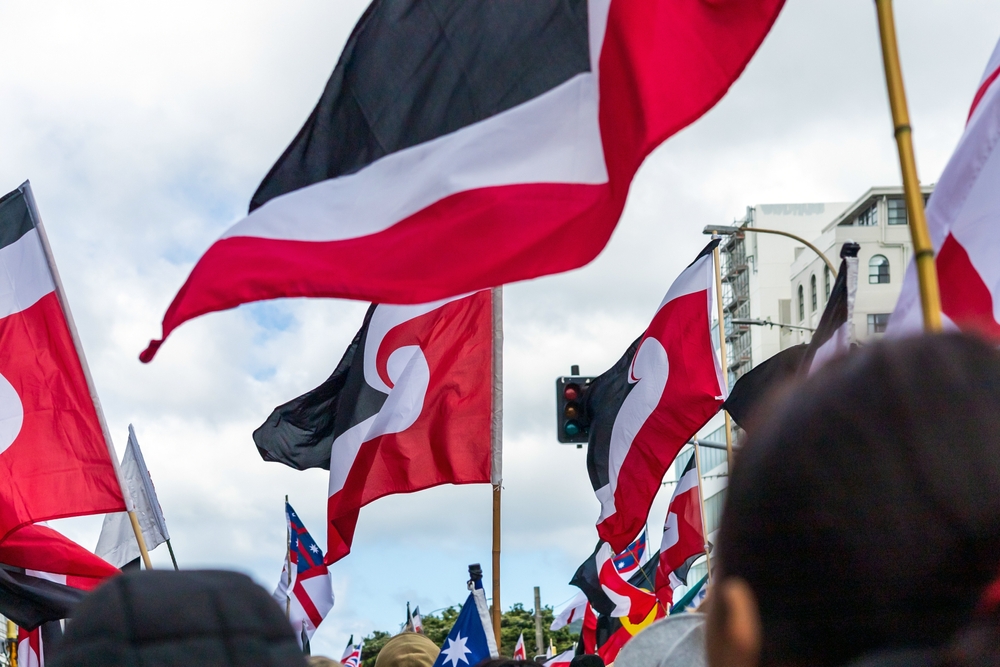
The human cost of our localised ‘war on drugs’, has been greatest for Māori, the Indigenous people of our country. Māori make up more than half of those imprisoned for drug offences despite being only around 17% of the population. They are twice as likely to die from overdose and far more likely to be prosecuted or convicted for drug offences.
Every country with colonial roots will recognise this pattern. The same communities once dispossessed of land, culture and power remain over-represented in arrests and substance harm today. Drug law reform, if it is to mean anything, must reckon with that history.
And so, in developing the recommendations for this report, I sought the views of Māori leaders in our sector and took them into account when making recommendations. Māori I spoke with were clear: the current law has caused and is continuously causing enormous harm. Decriminalisation is urgently needed.
There was also a shared concern that Māori could miss out on the positive impacts of any law reform, as has happened for Indigenous peoples elsewhere. And, importantly, I heard a fear that if a new law was too experimental, any unintended consequences would be born most heavily by Māori, so they urged caution. They also called for separate self-directed funding for Māori health initiatives and for the recognition of our local psilocybin-containing species as taonga with special status under the Treaty signed with the British Crown, Te Tiriti o Waitangi.
Decriminalisation: a necessary path forward
Internationally, we were able to draw on evidence from the 34 countries that have decriminalised cannabis use, and the 22 countries that have decriminalised all drug use. Portugal, of course, now has over 20 years of decriminalisation to learn from. The evidence pointed to the success of decriminalisation across a number of measures, particularly when coupled with increased investment in harm reduction and treatment.
Evidence on the legalised regulatory supply of substances was most available on cannabis, and the literature pointed to non-commercial models such as enabling adults to be able to grow a small number of plants, or licensed non-profit associations within which adults are able to access cannabis. Other substances had less evidence available, although the report delves into the possibilities for MDMA and psychedelics.
The final recommendations focussed on making some changes immediately, such as decriminalisation, non-commercial access to cannabis for adults, legalising some overdose and harm reduction measures, enabling therapeutic use of psychedelics, and increased funding for harm reduction, treatment and Māori-led initiatives.
But we also recognised the need to develop a law that can quickly respond to future drug trends, harms and emerging evidence. So, we recommended tasking a health entity with running a licensing system for facilitating harm reduction and overdose measures, and tasking that same body with creating legal access to other substances where either the evidence becomes available, or whereby our illicit drug supply makes regulated access immediately necessary.
Building reactive legislation
While we have laid out a blueprint for what we think a safer drug law for Aotearoa New Zealand could look like, there is much work yet to be done to help make this law a reality.
These changes for us are not about ‘liberalising’ drug use, as drug law reform is often portrayed. Instead, these changes are about striking the right regulatory balance to reduce the most amount of harm.
Because, even in 1975, experts knew that criminalising people for drug use was likely a mistake. The Blake-Palmer Committee, whose work in the 1970s informed the drafting of our Misuse of Drugs Act, trepidatiously recommended making drug use illegal, and urged restraint with criminal justice involvement fearing it would prevent people from accessing help.
When looking at historical data, it’s striking that the only times we have seen any improvement in outcomes have been when we have put the health of our people above the desire to punish. The 1987 legislation that led to the creation of our national needle exchange programme the AIDS epidemic with NZ enjoying some of the lowest rates of HIV transmission among the general population to this day.
In a similar vein, the legalisation of drug checking in 2020 has buffered the country from the perils of the increasingly toxic international drug supply. New Zealanders are hugely proud of these measures – as we should be. And it is on these small islands of hope in a sea of bad outcomes, that we hope New Zealand will plant our flag for future drug law reform.
These changes are long overdue. And, if we fail to act, one thing is certain: things will continue to get worse.

