The world is losing the global war on drugs, and it is losing it badly. This is the core message of the new report from the International Drug Policy Consortium (IDPC), released on 3rd of February 2026, which paints a grim picture of the state of global drug policy. Ten years after the 2016 UN General Assembly Special Session (UNGASS) on drugs, the promise of a more humane, evidence-based approach has largely gone unfulfilled. Instead, billions of dollars continue to be spent on outdated, punitive drug policies that fail to curb drug markets or improve public safety while punishing the most vulnerable and costing countless lives.
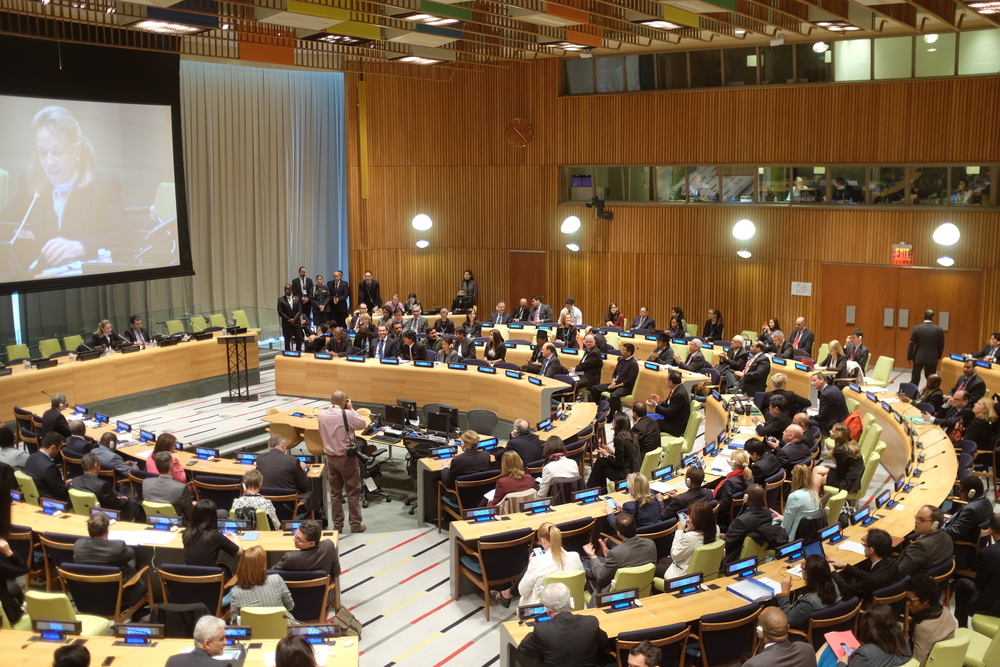
The report, titled “The UNGASS decade in review: Gaps, achievements and paths for reform”, comes as the United Nations embarks on a major institutional reform and system-wide restructuring as part of the UN80 initiative, and warns that the current system of global drug control is misaligned with core UN commitments to human rights, health, and sustainable development.
A stress test for human rights
The consequences of global drug policy extend far beyond drugs themselves. As noted in the report, global drug policy has become a stress test for multilateralism, public health principles, and our collective ability to uphold human rights in an increasingly polarised international arena. Around the world, civil society is under attack, hardline politics are on the rise, and rhetoric from the war on drugs era is making an aggressive comeback.
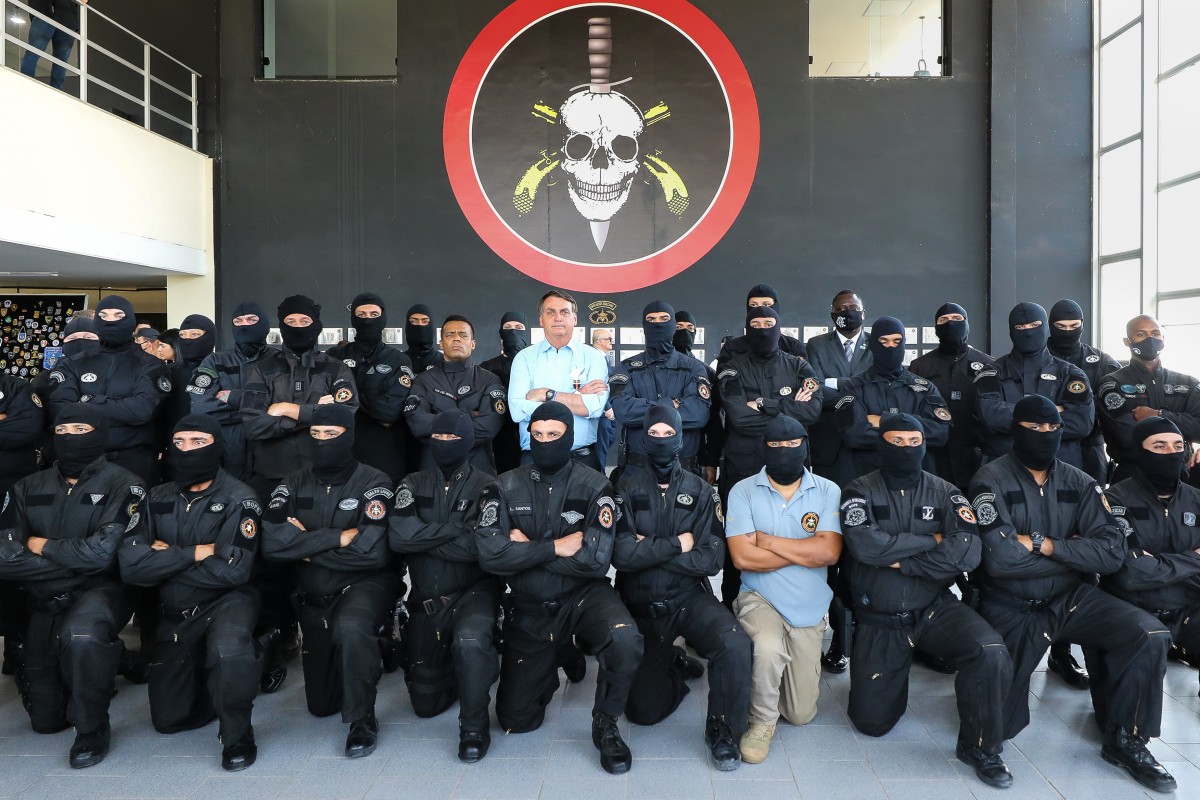
A quick glance at headlines around the world in the past ten years provides clear evidence of how drug narratives have been weaponised in the name of punitive agendas. Since September of last year, President Trump has used unfounded accusations of narco-terrorism as justification for his extrajudicial killings of fishermen across Central and South America, killing at least 125 people so far. In the Philippines, former president Rodrigo Duterte oversaw a ruthless “war on drugs” that relied on extrajudicial killings and state-sanctioned violence against anyone involved with drugs between 2016 and 2022, claiming an estimated 12,000 lives, and for which he is currently awaiting trial at the International Criminal Court. Criminal violence is being met with state-led violence in Latin America, with Ecuador and El Salvador giving the world a glimpse of a new punitive drug war emerging in the region.
As former Colombian President Juan Manuel Santos, who called for the 2016 UNGASS, writes in the report’s foreword:
“Criminalisation and militarised strategies have utterly failed. They displace harms, enrich criminal networks, devastate communities and ecosystems, and undermine our hope for peace. This report exposes how far we still have to go — and why it is time to overhaul the way the world approaches drugs — putting lives, communities, and human rights at the centre.”
Truth in numbers
The numbers are impossible to ignore. Between 2016 and 2021, more than 2.6 million people died from drug use-related causes. Over the same period, the number of people who use drugs rose from 247 million to 316 million, a 28% increase. In other words, 6% of the world’s population aged 15-64 used drugs in 2021. Despite increased global use and UN commitments, access to treatment and essential medicines remains painfully low. Only one in 12 people who need drug dependence treatment receives it, and programs are often neither voluntary nor evidence-based. Access is especially limited for women, with only one in 18 women receiving the treatment they need worldwide. In Africa, just 3% of women in need get services. When it comes to opioid pain relief, there is a critical lack of supply, with only 78% of the 43,000 kilograms of morphine needed worldwide actually produced, and most of it going to high-income countries. Low- and middle-income countries receive just 14% of the supply they need, making proper pain management nearly impossible.
Meanwhile, punitive approaches continue to take a devastating toll. Around 2,400 people were executed for drug offenses between 2016 and 2024, with 2024 marking the deadliest year in almost a decade. One in five prisoners globally is incarcerated for drug offenses, and an estimated 22% of them are imprisoned for possession alone. Interdiction and eradication campaigns are displacing illegal activity into remote regions like Central America and the Amazon basin, harming ecosystems and vulnerable communities.
To make matters worse, emerging synthetic drugs like fentanyl, nitazenes and synthetic cathinones are reshaping the global market: these substances are even more resistant to traditional systems of drug control because they can be produced anywhere with minimal resources, are often highly potent, and spread fast through decentralised networks.
In other words, the old playbook is useless in a game with new players, products, and rules.
Not all bleak
The picture is not entirely bleak, though. Harm reduction is slowly gaining ground, but progress is uneven. Since 2016, 16 new countries have decriminalised drug use, bringing the total to 59 jurisdictions across 39 countries. Needle and syringe programs in prisons remain rare, with only 11 countries operating them, all in the Global North. Supervised consumption sites have nearly doubled from 10 to 19, although this figure is still staggeringly low. While 24 new countries now include harm reduction in national policy documents, stigma and discrimination remain widespread, with 35% of people who inject drugs reporting negative experiences.
Decriminalisation is also making slow progress. Since 2016, 16 new countries have adopted some form of drug decriminalisation, signalling some reform towards non-punitive approaches. Expectedly, progress has been quickest in legal cannabis markets, which now cover more than 380 million people worldwide, up from 20 million in 2016. Fourteen new countries have established national opioid agonist therapy programs, and the number of countries with supervised consumption facilities has nearly doubled. These developments offer a glimmer of hope.
In 2018, all 31 UN agencies adopted the UN System Common Position, which supports human rights and evidence-based drug responses. But to say implementation has been slow would be an understatement.
Today, the UN finds itself at a pivotal crossroads: push forward with punitive drug policies that will continue to drive deaths, fuel mass incarceration, worsen inequality, and waste public resources, or rethink what drug policy means and embrace evidence-based harm reduction strategies that prioritise public health and security.
“Drug policy stands out as one of the UN’s most glaring failures. Punitive approaches are costing lives, undermining human rights and wasting public resources, while silencing the very communities that hold the solutions. This report shows why governments must move beyond rhetoric and commit to real structural reform,” said Ann Fordham, Executive Director of IDPC, emphasising the urgency of seizing this moment.