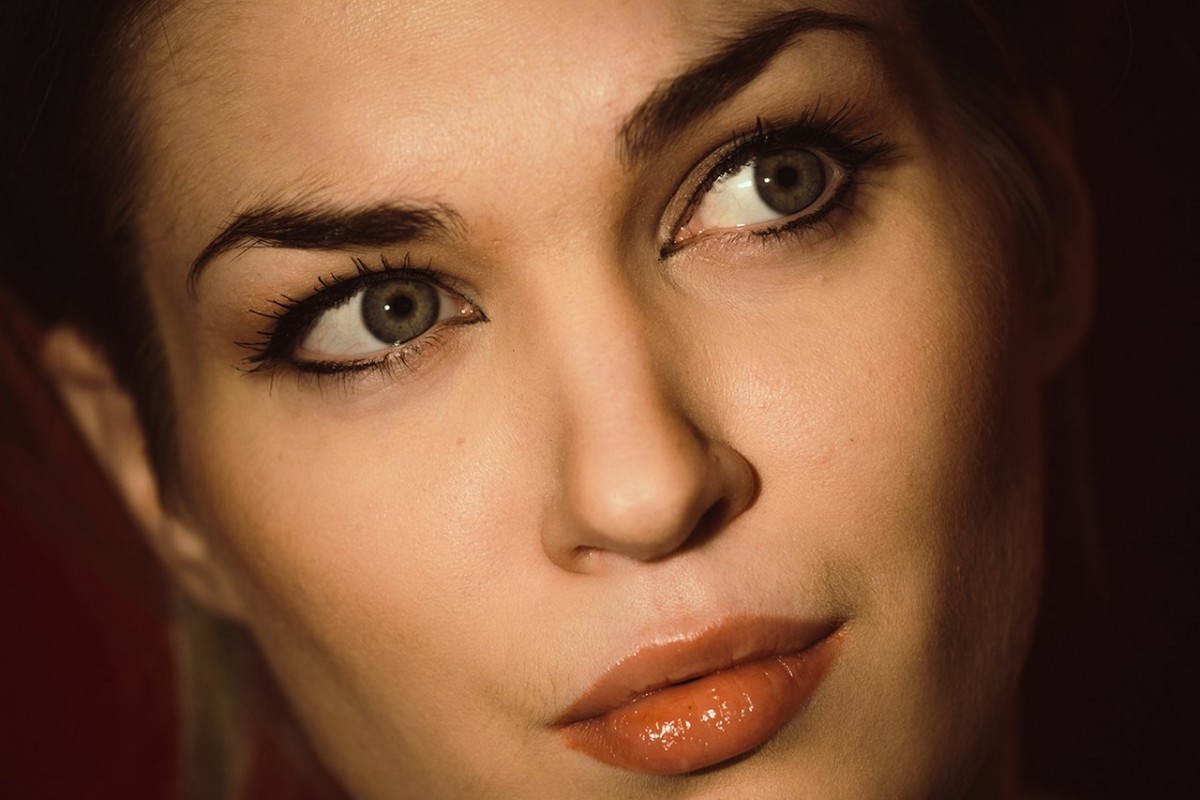
The journalistic piece ‘Heroin – the model’s property,’ which tells the personal story of a young Russian woman named Teo who has been using heroin for the past ten years, was removed from the website of the online publication Batenka at the request of Roskomnadzor for ‘promoting drugs.’ The article itself and the girl’s personal story sparked heated debate among the online audience and harm reduction activists.
The young woman uses her VKontakte page as a diary: she posts photos of herself, her heroin stash, and syringes in the rubbish bin. She is disappointed that most of her friends with addictions ‘let things slide’ and ‘let themselves go.’ She believes that her appearance and her meticulously organised life can serve as an example to others. Microloans for heroin, detox in hospitals, rejection of relationships, and a mother who calls every time her daughter goes to buy drugs,” writes Nina Abrosimova, a journalist for the publication Batenka.
“Teo starts every new morning with an injection, even before brushing her teeth. She gets up at eleven or twelve and goes to the kitchen. After the injection, she smokes a cigarette and washes her face. She does not allow herself to “stick around”, that is, to sit in a state of prostration. She sits down at her laptop and works. In the afternoon, he takes another injection. In the evening, he takes another one if he wants to. He doesn’t need to commute to work: he is a freelance programmer,” is how the girl describes her typical day. Despite her systematic drug use, the girl said that she takes care of her appearance and health and lives by her principles. ‘I have certain principles. Maybe I bend the rules in some ways. But I know that I will never turn anyone in to the police, and I will never have sex for drugs,’ says Theo. The full text of the article, after being banned by Roskomnadzor, is available on other online platforms.
The story of a young woman who has been using injectable drugs for more than ten years and freely writes about her experiences on social media has sparked heated debate among internet users: is her personal story promoting drug use? Did the online publication have the right to publish material about the positive experience of injecting drugs? Many readers also questioned the authenticity of the heroine of the article. Many were also touched by the concept of ‘noble use’ that Theo talks about.
Anya Sarang, head of the Andrey Rylkov Foundation, responded to the question of whether the text on Batenka constitutes ‘drug propaganda.’ In her opinion, “an individual cannot engage in propaganda. Propaganda can be carried out by a political or commercial conglomerate that has the resources to promote its interests under the guise of ideology and invest significant resources in it.”
On her Facebook page, Sarang wrote about the impact that decades of the war on drugs and drug phobia have had on our consciousness. “Huge resources have been invested in systemic drug phobia – literally by all interested parties – a number of particularly zealous states, criminal groups, militaristic, law enforcement and penitentiary industries, etc. This war was designed to serve the interests of the above by redirecting righteous public anger towards the victims – people who use drugs and are addicted to them. This is propaganda. And the main achievement of this propaganda is its invisibility,” writes Sarang. In a society deprived of information about drugs, a woman who openly declares her use is immediately considered a criminal. Women have always been the most vulnerable victims of the war on drugs, the activist believes.
“The fact that today, in the confrontation between a woman trying to preserve her beauty and dignity in a world of stigma and oppression vs. the state’s repressive machine for suppressing information and freedom of expression, is that a large part of society sides with the latter — this is the main daily victory of this propaganda,” says Sarang.
Russian harm reduction activist Alexander Smirnov (Delfinov) also joined the discussion about Theo’s story. In his opinion, the article refers to controlled drug use, which the heroine practises and which, according to Smirnov, is entirely possible. However, to ensure balanced information, Smirnov believes that an expert should have commented on this topic in the article. “There are perfectly adequate addiction specialists, psychologists, human rights activists and lawyers who could comment on the published story competently and soberly, without hysteria and wringing their hands. And to tell how widespread controlled use is – that is, when a person uses psychoactive substances, whether prohibited or legal, but controls it in such a way that they maintain their socialisation and health. And what are the risks for such a user – in terms of health, social environment, legal issues, and whether they could lose control,” writes Delfinov on his Facebook page.
The concept of controlled drug use, which the heroine talks about, is also discussed by researcher Norman Zinberg in his book Drugs, Attitudes and Environment. The author discusses the problems of repressive drug policy and its impact on the ability of individuals to control and manage their drug use. He also describes in detail a study involving a large cohort of people who regularly use drugs (particularly opiates) and consider themselves to be controlled users. Zinberg covers both individual control strategies and broader theoretical issues in detail, describing them with the formula drug (the neurochemical properties of the substance itself), attitude (a person’s attitude towards the substance, which is influenced by many factors) and environment (the external setting in which the substance is taken) on the relationship between the person and the substance. The full text of the book in Russian is available here.